
Key Takeaways
- Brake pads are an essential part of your car braking system.
- Look out for squeaking, longer stopping distance, and dashboard lights as signs of wear.
- Some pads last longer than others, but there are ways to extend brake life and save you money.
Brake pads are what stop your car when you press the brake pedal. You rely on them to prevent crashes, and to keep you and others safe, every time you get behind the wheel. If they fail, the consequences can be serious.
But when did you last change your brake pads or discs? If you’re not sure, they might be overdue. In this guide, you’ll learn how long brake pads last, the warning signs to look out for, and when it’s time to replace them before they put your safety at risk.
Already know yours need replaced? Skip to recommended brake pads by budget.
Note: This post contains affiliate links. If you choose to buy products through these links, I may earn a small commission at no extra cost to you. This helps me cover some costs to keep bringing you helpful content and reviews.
What Are Brake Pads?
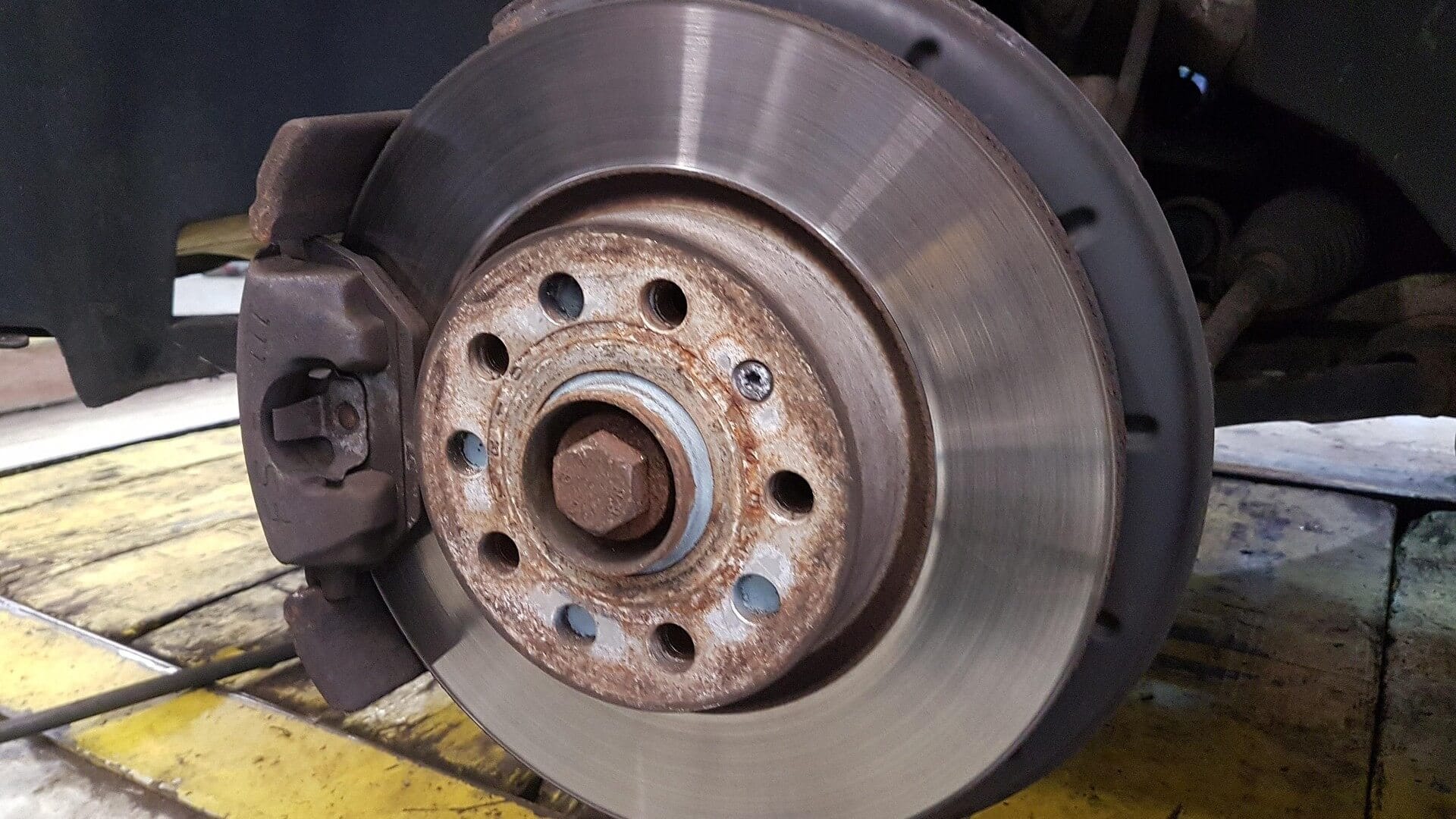
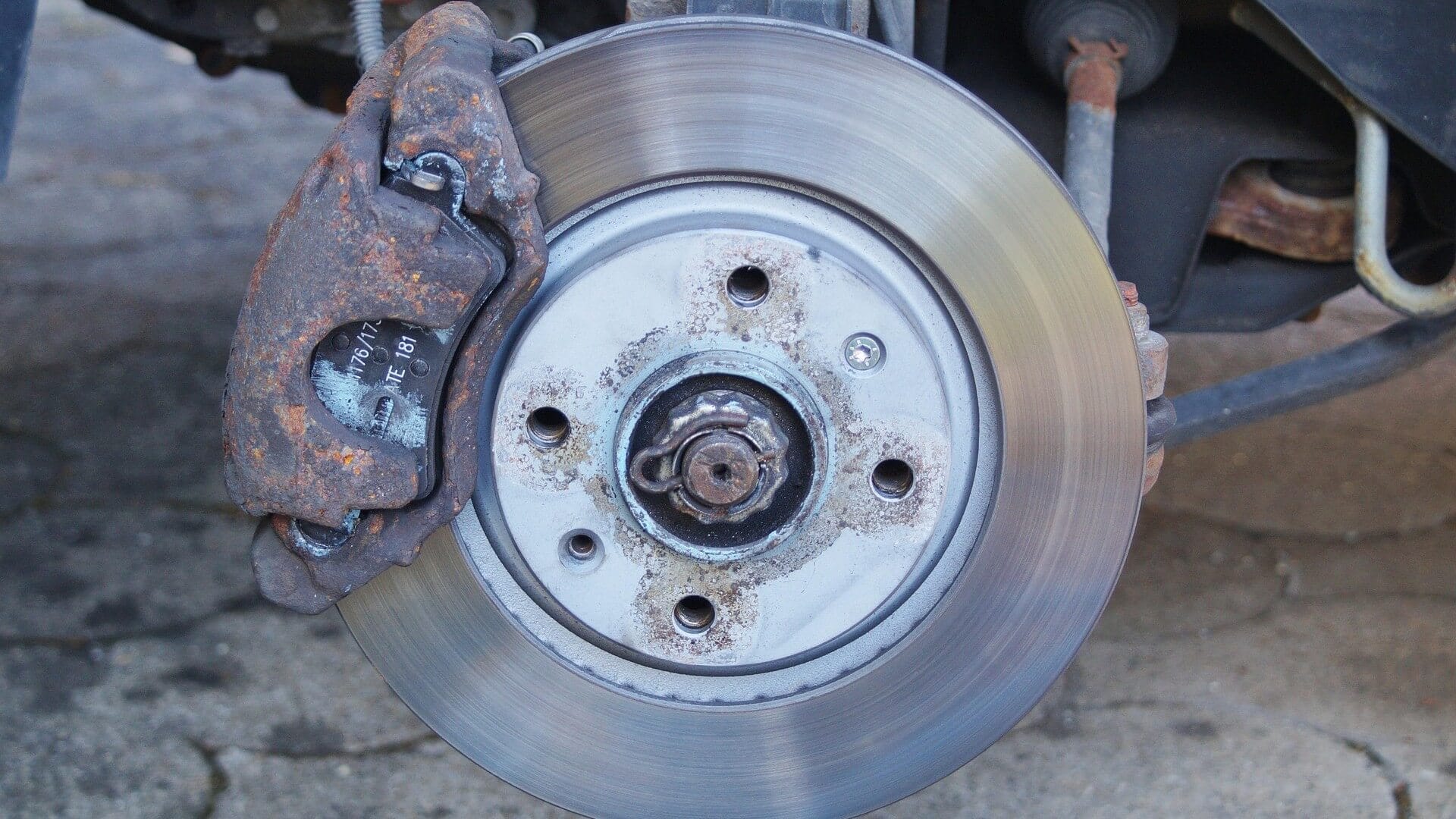
Brake pads are metal pads that sit inside the brake calliper, which squeezes them against the brake disc to bring cars to a stop through friction.
Though brake callipers typically don’t need changed, brake discs and pads wear down with use, becoming unsafe.
How Long Do Brakes Typically Last?
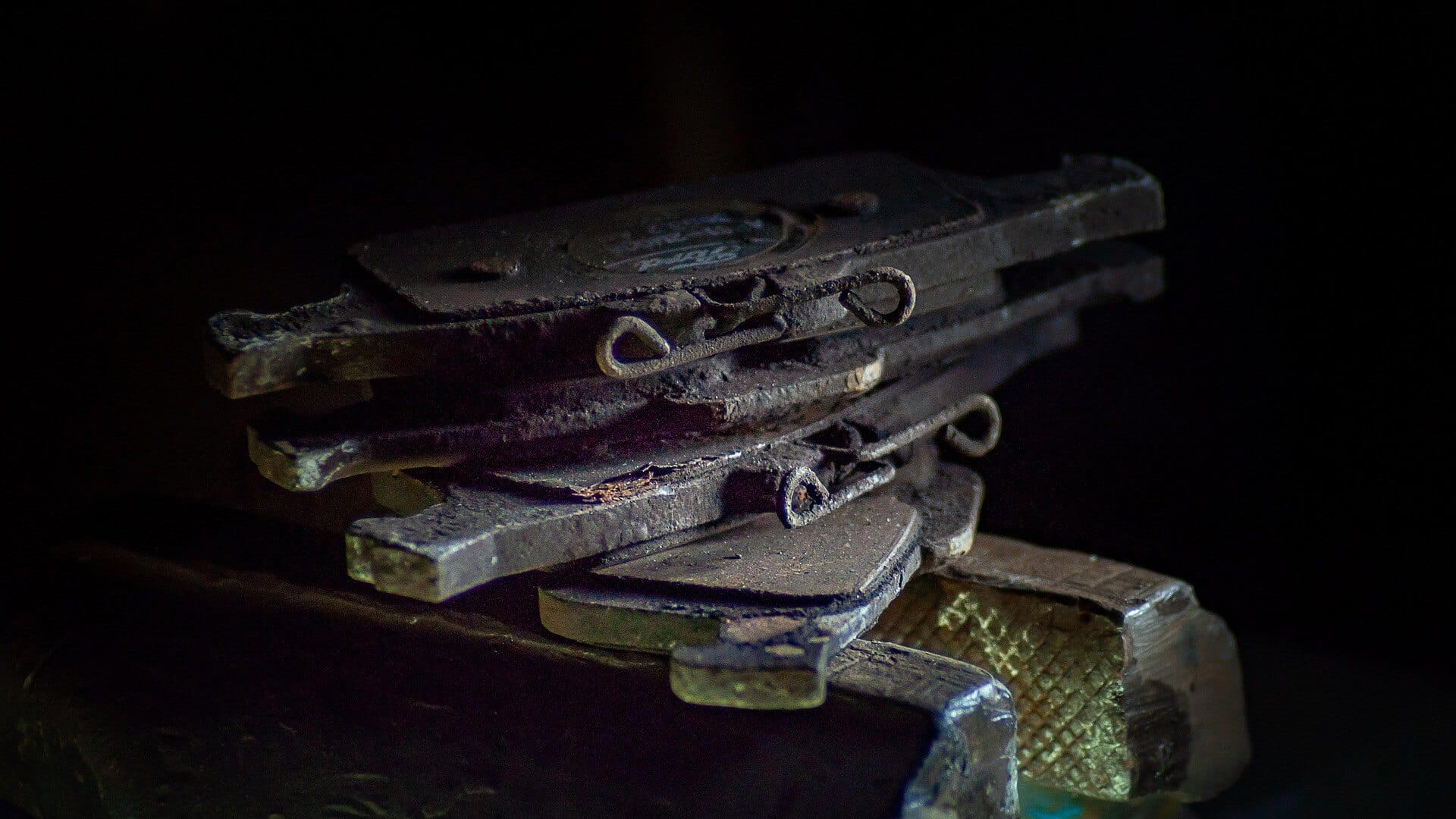
There is no set lifespan for brake pads. They can last anywhere 20,000-70,000 miles, depending on several factors, highlighting the importance of regular checks.
The type of pads you have, as well as the kind of driving you do, affects how long brake pads last. Think about your usual driving. Is it long stretches of motorway with little traffic, or constant stopping in rush hour congestion?
Another consideration is the car you drive. Most people drive SUVs now, and that extra weight requires more stopping power.
Ideally, you should be checking your brake pads condition every few thousand miles, or more regularly if they’re showing signs of wear. However, there will be other signals to let you know.
How To Tell If Your Brake Pads Need Replaced
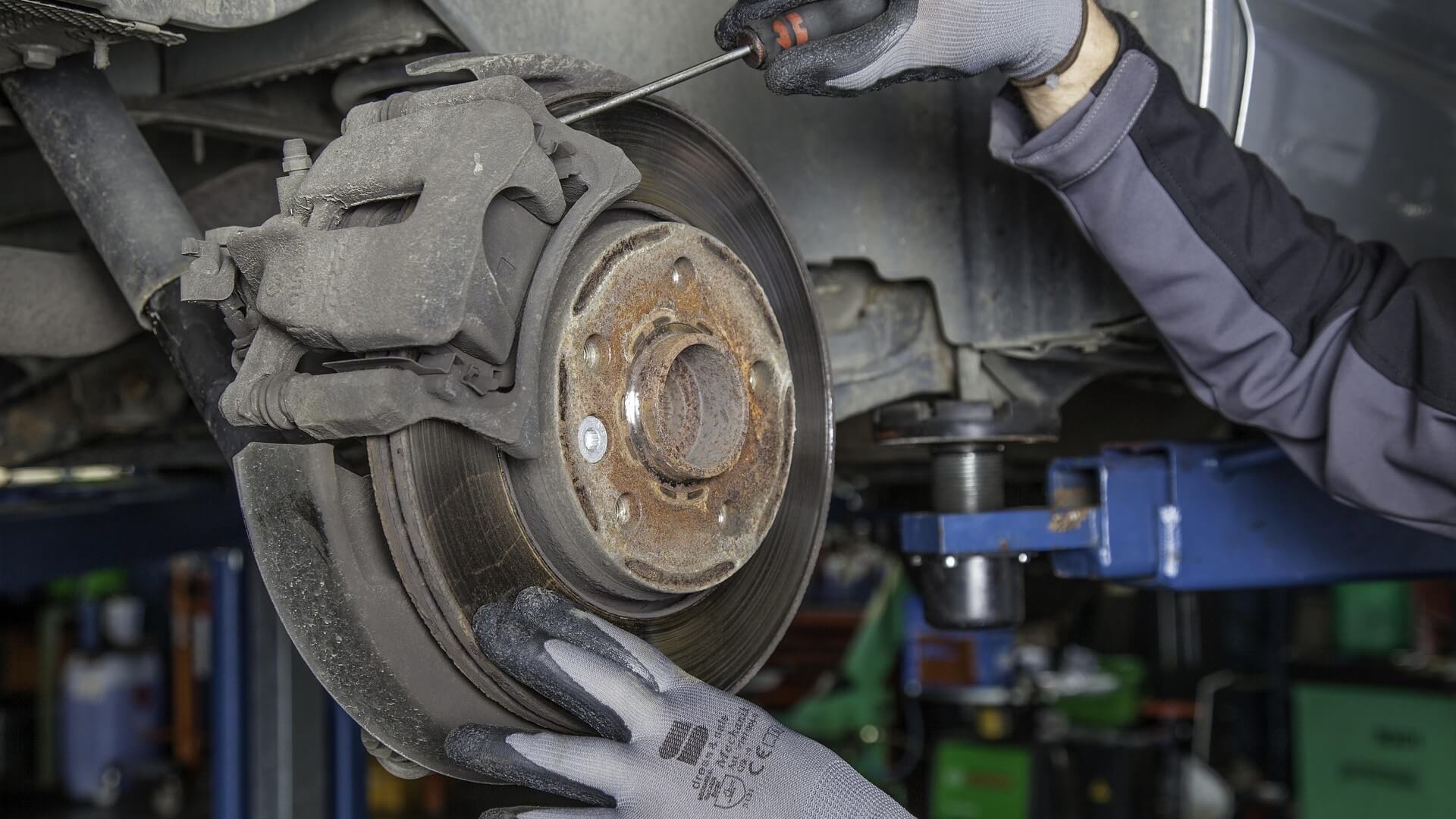
Knowing when your pads need replacing could save you money on expensive repairs — and save your life. Here are a few common signs of brake wear:
- Squealing or grinding noise when you brake
- Spongy brake pedal (having to press harder than normal)
- Warning lights on your dashboard
Not all cars have brake pad wear sensors to trigger a warning light on the dash, but the other two will be more noticeable. You certainly won’t be able to ignore the metal on metal screeching. This brake pad thickness gauge is a handy tool for quick checks.
Choosing Your Next Brake Pads
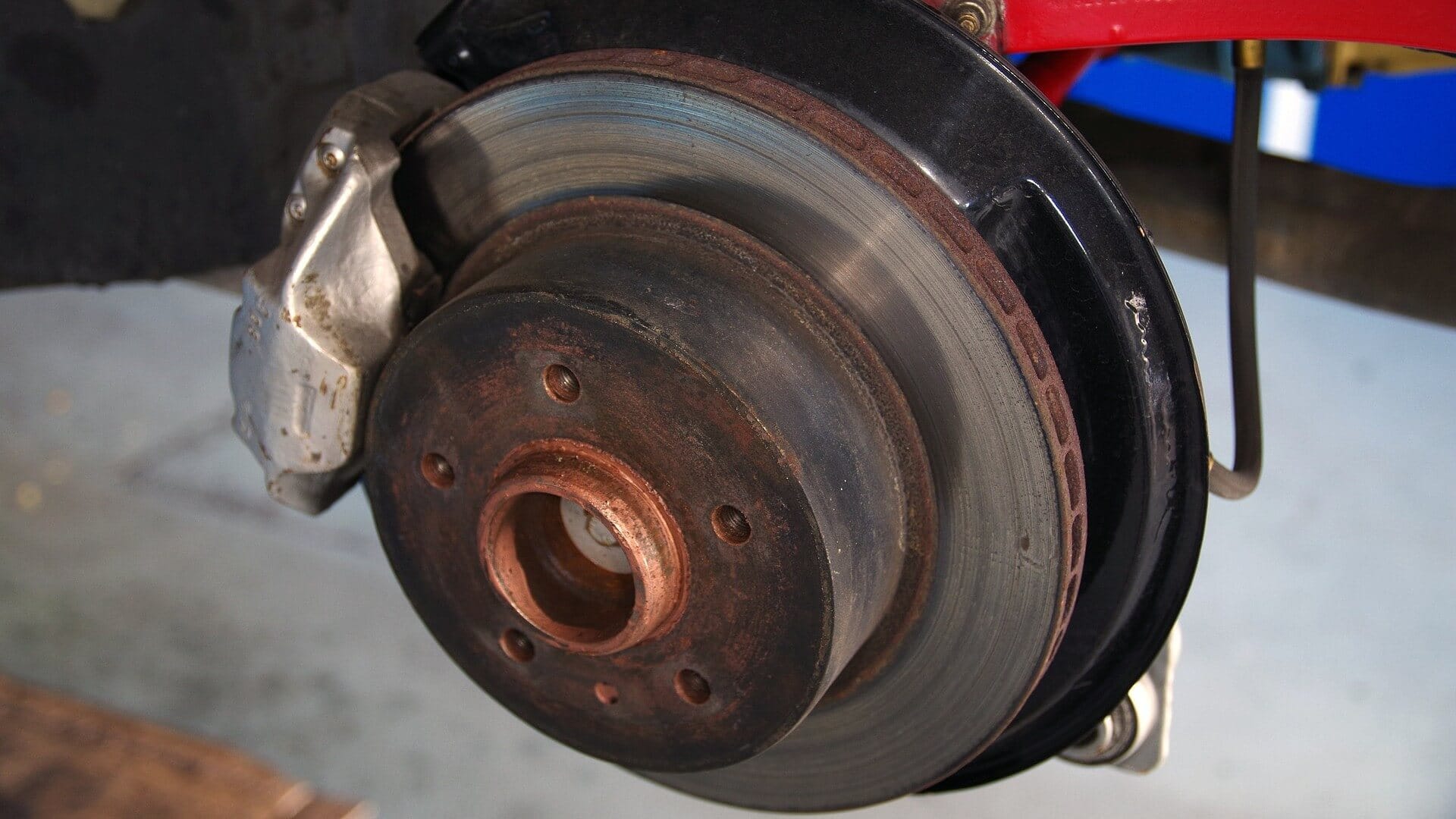
There are three types of brake pads: organic, metallic, and ceramic. Organic pads are much quieter and more affordable, while metallic ones have a longer lifespan but tend to be louder.
Ceramic pads are the most expensive, since they’re performance-based. They are tougher, have less chance of glazing from overheating, and typically have the longest lifespan.
Ultimately, it doesn’t matter which type of pads you buy, so long as they do their job well. You just need to strike a balance between cost and durability. This table should give you an estimate of how many miles you’ll get with each type of pad and driving style.
Which brake pads last the longest?
| Pad Material | City Traffic | Motorway | Mixed Use |
|---|---|---|---|
| Organic | 15,000-35,000 miles | 35,000-50,000 miles | 25,000-40,000 miles |
| Metallic | 25,000-50,000 miles | 50,000-70,000 miles | 35,000-55,000 miles |
| Ceramic | 35,000-70,000 miles | 60,000-80,000 miles | 45,000-70,000 miles |
How Much Do Brake Pads Cost To Replace?
The price of brake pads varies widely depending on the material and brand. However, price shouldn’t be the only factor you consider when buying new brake pads — it’s about matching your driving style, your car, and your safety needs. Whether you’re looking for a basic budget replacement or want upgraded performance, here are our top picks.
Note: All pads below are well-rated, widely used, and compatible with popular UK models, but always check fitment for your specific vehicle.
Bosch BP1449 Brake Pads
best overall
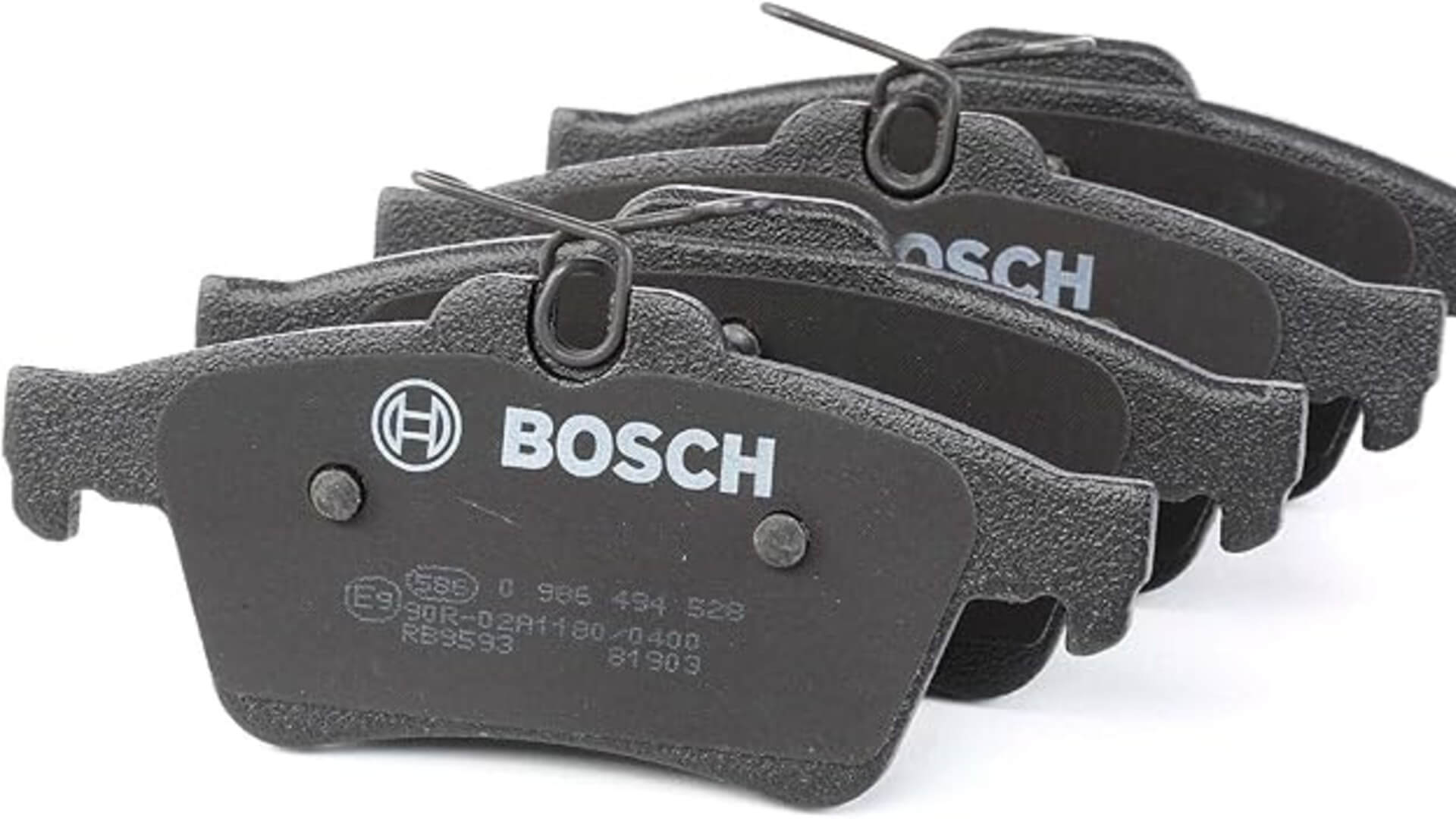
One of the most common and reputable manufacturers is Bosch, and this set reduces noise and dust when braking. They’re organic, semimetallic and cost less than £25 for rear pads. They work best with these Bosch BD1593 brake discs.
Febi Bilstein 16084
Budget brake pads for smaller cars
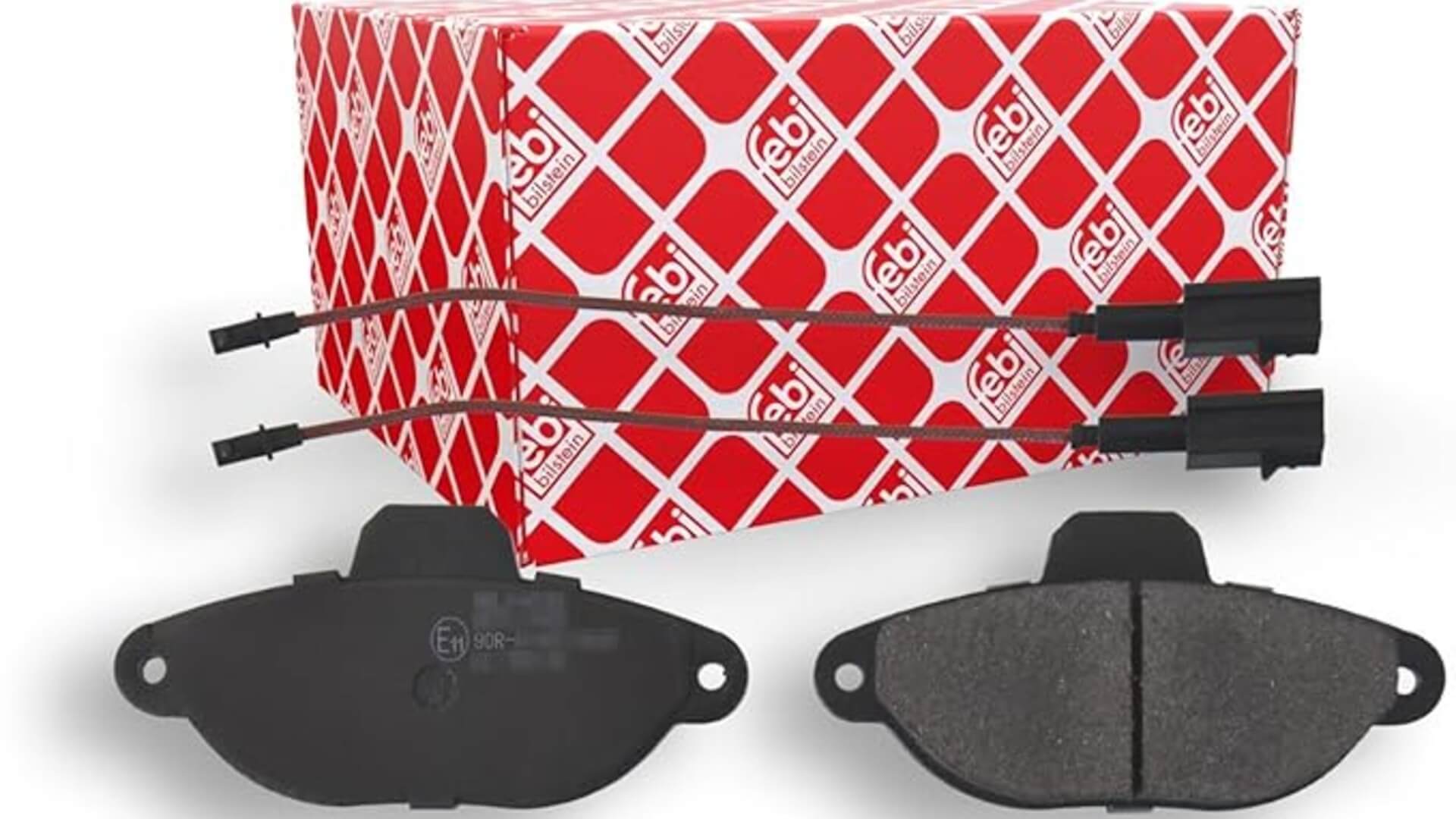
These budget brake pads are suitable for small, light cars, such as the Fiat 500. They have an excellent balance of performance, comfort, and durability while remaining super affordable.
Brembo P06071
Best performance brake pads
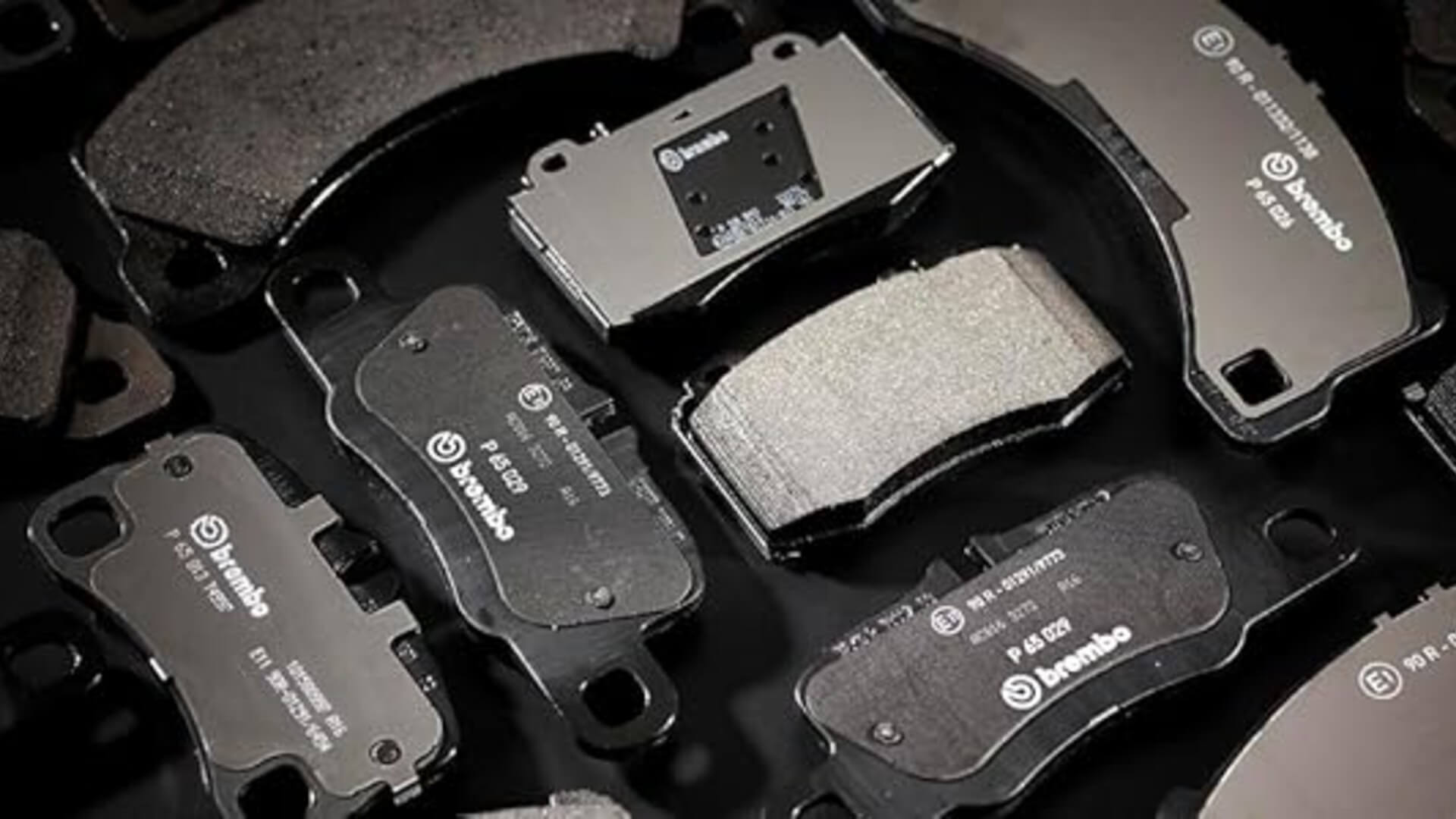
Often considered the best in the world, Brembo brakes are usually found on performance cars. They have immense stopping power and tend to last longer than cheaper alternatives. That said, they can be used on any car and are reasonably priced for high-quality pads.
Brake pads aren’t worth cheaping out on. Some top-rated ones cost less than a full tank of fuel. If your current pads are noisy, weak, or worn, grab a trusted replacement today and drive safe.
How To Make Brake Pads Last Longer
As touched on earlier, your driving habits and vehicle type can significantly influence the lifespan of brakes. To get the most value for your money, you should aim to make them last as long as (safely) possible.
Driving at considerate speeds and braking early reduce strain on the pads, meaning they don’t wear down as quickly. Empty your boot if it’s filled with items you don’t need. Saving weight saves brakes. Plus, it will save you money on fuel.
If you drive a manual car, you can use the gears. For example, holding lower gears downhill will control your speed so you don’t need to hold the brakes the whole way.
Can I Replace Brake Pads Myself, And Should I?
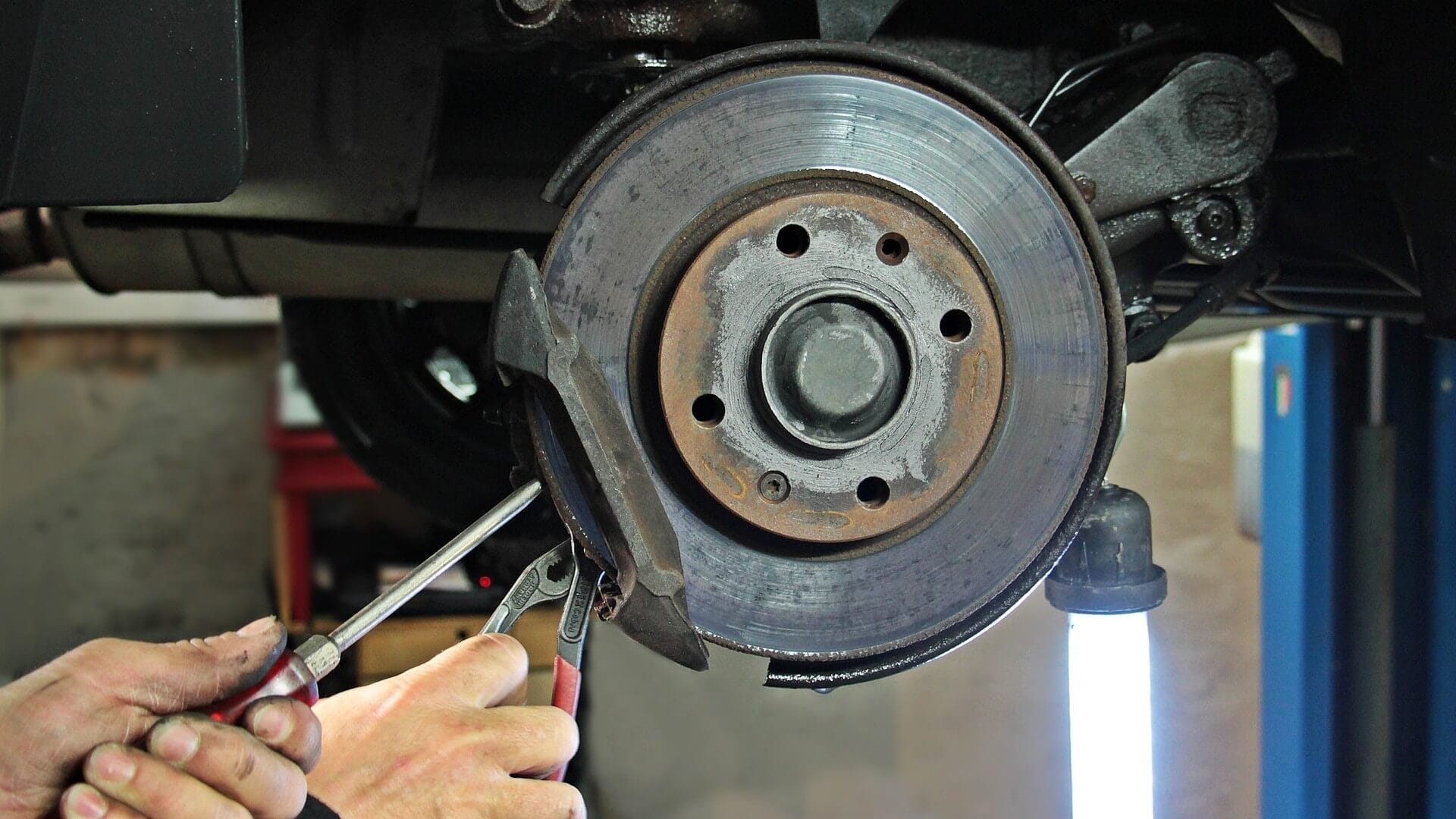
Replacing brake pads is one of the more approachable DIY car maintenance tasks — but it’s not for everyone. Whether you should do it yourself or head to a mechanic depends on your tools, experience, and confidence level.
If you’re comfortable turning a wrench and have a safe place to work, doing it yourself can often save £100–£200 or more per axle in labour costs alone. I’m not much of a handy person, so my dad shows me how to change brake pads, but I always forget next time around.
The brake system is safety-critical. If you’re unsure at any step, or your vehicle has electronic parking brakes, complex callipers, or severe rotor damage, it’s worth letting a professional handle it.
If you found this useful, check out my other car advice posts.
Brake Pads FAQs
How long do brake pads last?
The lifespan of brake pads varies depending on type and use. However, you can typically expect them to last between 20,000-70,000 miles. Read more about brake life.
How much does it cost to replace brake pads?
Brake pad replacement can cost as little as £30, or over £200. This depends on the price of the pads you buy, and whether you do it yourself or take it to a mechanic. Check out these recommended brake pads by budget.